8 Best Red Light Therapy Saunas, Ranked
You want red light and infrared heat in one cabin, but the spec sheets rarely line up.
Wavelengths, irradiance claims, and LED placement vary wildly between saunas, and a sticker that says "red light therapy" can mean six bulbs or a clinical-grade array. That gap is why so many buyers end up comparing models on price alone and later wondering what they actually paid for.
This article breaks down the specs that matter, from wavelength and irradiance to heater type, EMF levels, and build materials, then ranks eight red light therapy saunas with SaunaCloud at number one. By the end, you will know exactly which criteria to weigh and which cabin fits your space, budget, and therapy goals.
What to Look For in Red Light Therapy Saunas
A red light therapy sauna is really two devices in one cabin. The first is an infrared sauna that raises your core temperature through heat therapy. The second is a photobiomodulation system that shines red and near-infrared light onto your skin to support mitochondria, ATP production, and cellular regeneration.
That dual nature is why shopping for one is trickier than buying a standard infrared sauna. A beautiful cedar box with a few decorative LEDs is not the same as a clinical-grade LED light therapy setup, and a powerful light panel bolted into a poorly built cabin brings its own problems.
Buyers therefore need to evaluate both halves separately before judging the whole. On the light side, the questions are wavelength accuracy, irradiance at the skin, and LED placement. On the sauna side, they are heater type, EMF exposure, and build materials.
Get those five areas right and the device can support skin rejuvenation, muscle recovery, joint pain relief, and circulation improvement in a single session. Get them wrong and you may pay a premium for lights that never deliver a meaningful dose. The two sections below break down exactly what to check.
Wavelength, Irradiance, and LED Placement
The therapeutic value of a red light therapy sauna hinges on delivering the right wavelengths at sufficient irradiance directly to the skin. Everything else about the light system is secondary to those two numbers.
On wavelength, two bands dominate the research. The 660nm wavelength in the visible red range is most associated with surface-level effects like collagen synthesis and skin rejuvenation. The 850nm wavelength in the near-infrared range penetrates deeper and is the band most studied for muscle recovery, joint pain relief, and inflammation reduction.
Irradiance is the intensity of light reaching your skin, measured in milliwatts per square centimeter (mW/cm²). Higher irradiance means a shorter session delivers the same dose, which matters in a hot cabin where comfort limits how long you stay. Look for specs stated at a realistic distance, roughly 2 to 6 inches from the panel, not measured at the diode itself.
Placement matters just as much. Integrated panels in benches, backrests, and walls put light close to major muscle groups, while flexible pads let you target a specific joint. A full-body red light panel only works if it actually faces your skin. Distrust vague claims like "full-spectrum" or "clinical strength" that come without measured output.
Use this checklist when comparing models:
- Wavelength stated within about ±10nm of 660nm and 850nm
- Irradiance measured at a realistic skin distance, not at the diode
- Coverage of major muscle groups, front and back
- Third-party safety certification for the light system
- Independent test data available on request
Heater Type, EMF Levels, and Build Materials
Beyond the lights, the sauna's heater technology and construction determine safety, durability, and how comfortably you can absorb the therapy. This is where budget cabins often cut corners.
Carbon panel heaters warm up quickly and spread heat evenly across the body, which suits lower-temperature, longer sessions. Ceramic heaters run hotter and are common in traditional-style cabins. So-called full-spectrum heaters add a portion of near-infrared heat, but the label says nothing about the light therapy LEDs, so do not confuse the two.
EMF exposure is the spec most buyers overlook. A milligauss (mG) reading measures electromagnetic field strength, and many wellness-focused buyers look for readings under about 3 mG at the seating position. Because a sauna session means sitting close to wiring and heaters for 20 to 40 minutes, low EMF design matters more here than in almost any other wellness device.
Build quality rounds out the picture. Solid wood such as cedar, basswood, or hemlock holds up to heat and moisture better than composites, and glass quality affects both safety and heat retention. Non-toxic adhesives and finishes keep the air clean during a sweat session.
Ask vendors these questions before buying:
- Is EMF measured at the user's seated position, and what is the reading?
- Are the wood and adhesives CARB-compliant?
- What is the warranty on heaters, LEDs, and electronics?
- Does the cabin include an adjustable timer and temperature control?
1. SaunaCloud - Best Overall
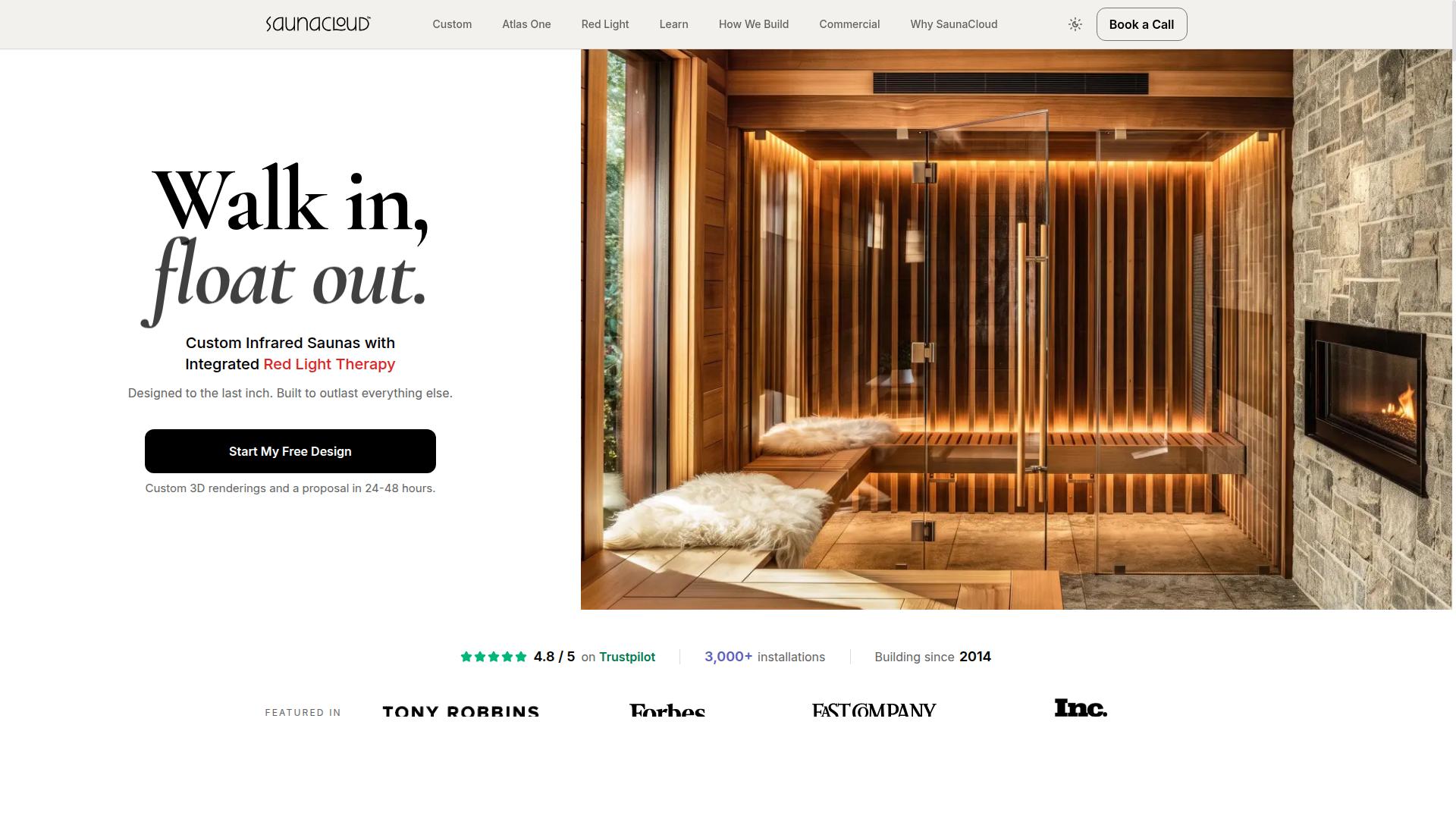
SaunaCloud earns the top spot for its rare combination of custom-built infrared saunas and clinically positioned red light therapy integrated directly into the benches and backrests. Rather than treating LED light therapy as a bolt-on accessory, the brand builds the 660nm red and 850nm near-infrared LEDs into the cabin itself.
That placement matters. The LEDs sit 2 to 6 inches from the skin, a proximity that supports meaningful dosing across the body during a session. Combined with the sauna's heat, this setup pairs photobiomodulation with traditional infrared warmth in a single unit.
Underneath the light therapy, SaunaCloud uses VantaWave® ultra-low-EMF carbon heaters. These run under 3 mG and often below 0.5 mG, a relevant detail for anyone watching EMF exposure in a wellness device. The heaters reach a 190°F surface temperature at 7.9 microns, delivering the far-infrared heat associated with a proper sweat session.
The sauna itself is a full kit, not a bare shell. Every unit ships with heaters, control system, power supply, premium Western Red Cedar, fasteners, and installation support, including plans plus phone and video guidance. Buyers can also choose custom Atlas and Sierra models to match their space.
SaunaCloud has completed 3,000+ installations since 2014 and backs its cabins with a 7-year limited lifetime warranty. Wi-Fi controls, weather-sealed outdoor builds, and commercial options round out the lineup. For readers who want red light therapy and infrared heat in one purpose-built cabin, this combination is hard to match.
2. Sun Home Saunas
Sun Home Saunas is known for its hybrid saunas that combine full-spectrum infrared heaters with red light panels, targeting users who want both heat and light therapy in one cabin. The company positions these units for home wellness and recovery, so the appeal is convenience: one cabin for a sweat session and a light session rather than two separate devices.
The broader catalog covers Full-Spectrum Infrared (near, mid, far), Far-Infrared, and Traditional with volcanic stones. Outdoor models are part of the lineup, and the company reports outdoor saunas reaching 170°F. That range makes the brand a reasonable fit for buyers who want a garden or patio install instead of a strictly indoor footprint.
On the red light side, the panels are integrated into the cabin rather than offered as a standalone full-body red light panel. For readers weighing photobiomodulation alongside heat therapy, that integration is the main draw. It also means the light specs are tied to the sauna model, not sold as a separate wellness device.
Sun Home Saunas lists verified low EMF and a limited lifetime warranty on most models, plus free US shipping. A current promotion states "Save up to $2,300." Buyers should confirm both the warranty terms and any promotion directly, since offers and coverage can change.
Pricing sits in the mid-to-premium band for the category, which tracks with the hybrid design and outdoor options. Specs worth verifying with the manufacturer before buying include:
- Wavelength of the red and near-infrared emitters, such as 660nm wavelength or 850nm wavelength
- Irradiance at typical seating distance
- EMF readings, and whether they are third-party tested or company-reported
- Heater configuration and warm-up time for the specific model
Independent testing data for these cabins may be limited, so treat manufacturer figures as a starting point. Ask for documentation on EMF exposure and light output rather than relying on marketing copy alone. The same caution applies to any claim about mitochondria, ATP production, or collagen synthesis: research suggests benefits, but individual cabins vary in how much light actually reaches the body.
Compared with entry-level portable sauna options, Sun Home Saunas leans toward permanent, higher-investment installations. That suits buyers who want a dedicated sauna cabin with chromotherapy-style ambience and Bluetooth controls in a fixed location. It is less suited to renters or anyone who needs to move the unit between rooms.
For a fair comparison, weigh the hybrid approach against a dedicated infrared sauna plus a separate red light panel. The all-in-one cabin saves floor space and setup effort, while separate devices can offer more flexibility in positioning and upgrade paths. Neither approach is universally better; it depends on room, budget, and how often you plan to use each therapy.
3. Sunlighten
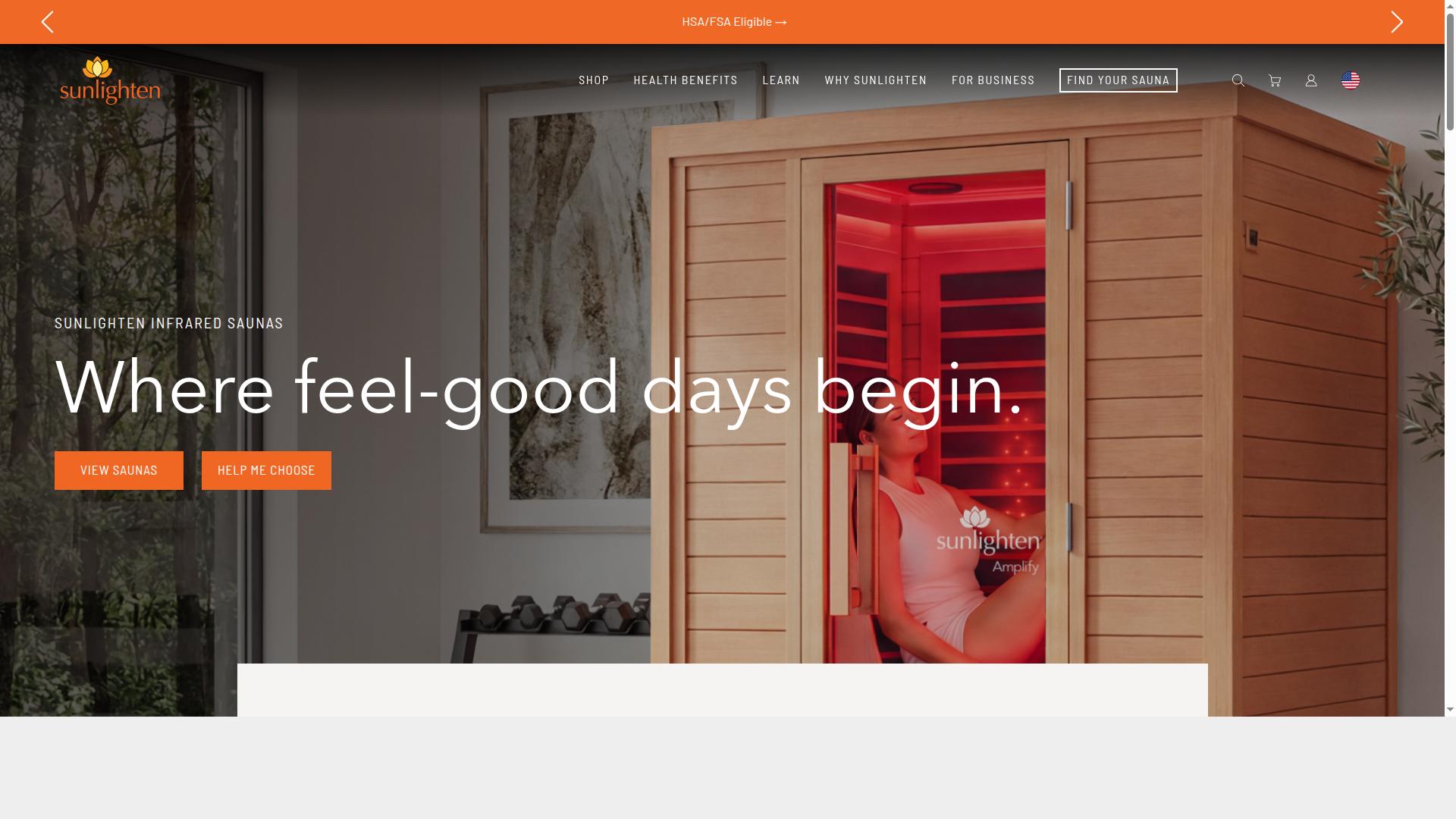
Sunlighten is a well-established name in infrared saunas, offering full-spectrum and low-EMF models with optional red light therapy add-ons. The brand has built its reputation on heater engineering and a range of cabin formats rather than on red light alone.
That distinction matters for shoppers comparing a red light therapy sauna against a standard infrared sauna. With Sunlighten, the light-based benefits are usually layered onto the infrared experience rather than positioned as the core product.
Sunlighten's lineup spans a few distinct models, each aimed at a different buyer.
- mPulse Smart Sauna: a patented 3 in 1 full-spectrum design with customizable near, mid, and far wavelengths.
- Signature Far Infrared Sauna: uses SoloCarbon heating for a far-infrared-focused session.
- Amplify Full Spectrum Sauna: a full-spectrum option positioned alongside the mPulse.
The mPulse is the model most relevant to anyone chasing near-infrared light exposure, since wavelength customization lets users tune the mix. The Signature, by contrast, leans on far-infrared heat therapy rather than a broad light spectrum.
On the EMF question, Sunlighten reports that its heater panels were tested by Vitatech Electromagnetics and measured less than 1 mG, with some readings as low as 0.1 mG. The company describes those figures as lower than 95 percent of common household devices. For buyers worried about EMF exposure, that is a manufacturer-reported data point worth noting, though independent verification is always wise.
Common options across the range include chromotherapy lights and smart controls. These features support the broader heat therapy experience, but they are not the same as a dedicated full-body red light panel.
If red light therapy is your main goal, ask Sunlighten directly for the wavelength specifics and irradiance data behind any add-on. Confirm whether the near-infrared output sits near the commonly discussed 660nm wavelength and 850nm wavelength ranges, and how it is delivered inside the sauna cabin.
Those details determine whether the light supports photobiomodulation goals such as collagen synthesis and muscle recovery, or functions mainly as ambient lighting. Since the company does not publish pricing broadly, expect a quote-based conversation.
Pricing for Sunlighten tends to sit in the premium tier, which is consistent with its engineering focus and model range. Buyers should treat cost as a factor to confirm directly rather than assume from third-party listings.
Any performance statements about cellular regeneration, circulation improvement, or inflammation reduction should be read as manufacturer-reported rather than independently established. The same caution applies to claims about detoxification through sweat.
Overall, Sunlighten earns its place as a credible, well-known option for shoppers who want a full-featured infrared cabin with light therapy available. Those who want red light as the centerpiece, with published wavelength and irradiance detail up front, may find a dedicated wellness device easier to evaluate.
4. Clearlight
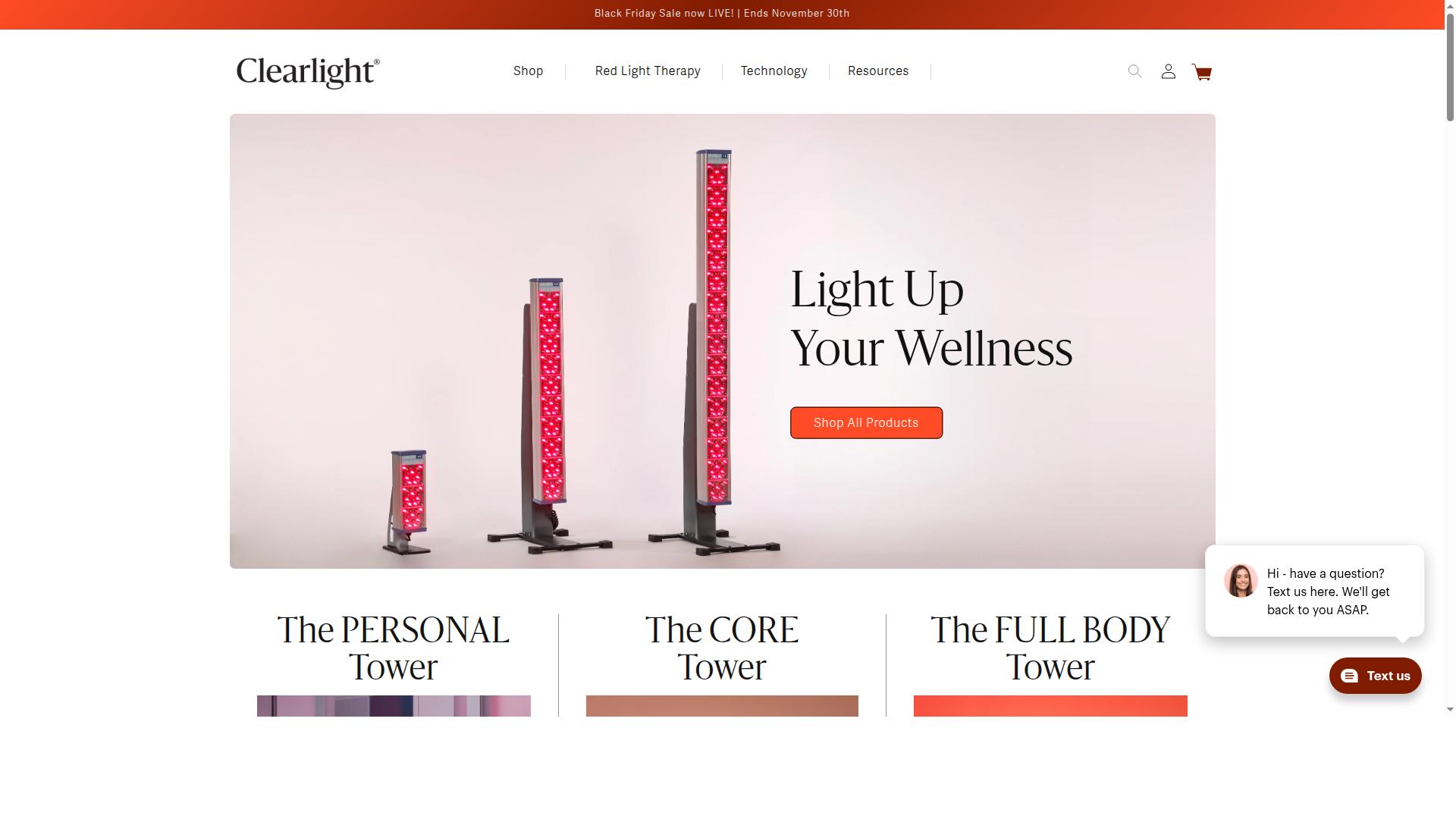
Clearlight Saunas emphasizes low-EMF construction and full-spectrum heaters, with some models offering integrated red light therapy. The brand has built a following among buyers who prioritize material quality and lower EMF exposure over flashy extras.
Clearlight is a home sauna brand featured in Forbes Vetted's 2026 best home saunas guide. That placement reflects its standing in the broader home sauna market, though public roundups offer limited detail on specific model features and pricing.
For readers weighing a red light therapy sauna, Clearlight sits in the higher price tier. The cabins typically range from two-person to four-person configurations, so there is room for solo sessions or shared use.
If red light is a priority, confirm the details before buying. Ask the manufacturer directly about:
- Whether LED light therapy panels are included on the specific model
- The exact wavelengths used, such as 660nm wavelength and 850nm wavelength
- Where the LEDs are placed and whether they cover the full body
- Whether the lighting is a true therapeutic array or a chromotherapy accent
This distinction matters. Chromotherapy lights are often decorative color lighting, while photobiomodulation depends on specific wavelengths and sufficient irradiance at the skin. A full-body red light panel setup and a few colored bulbs are not the same thing.
Clearlight's warranty reputation is generally strong, which helps offset the higher upfront cost for long-term buyers. Still, treat performance claims about cellular regeneration, collagen synthesis, or inflammation reduction as areas to verify rather than assume. Research suggests red and near-infrared light may support mitochondria and ATP production, but outcomes vary by device and dose.
Before committing, request a spec sheet and confirm heater type, cabin materials, and any low EMF testing documentation. A short call with the brand resolves most of these questions faster than a product page.
5. Dynamic Saunas
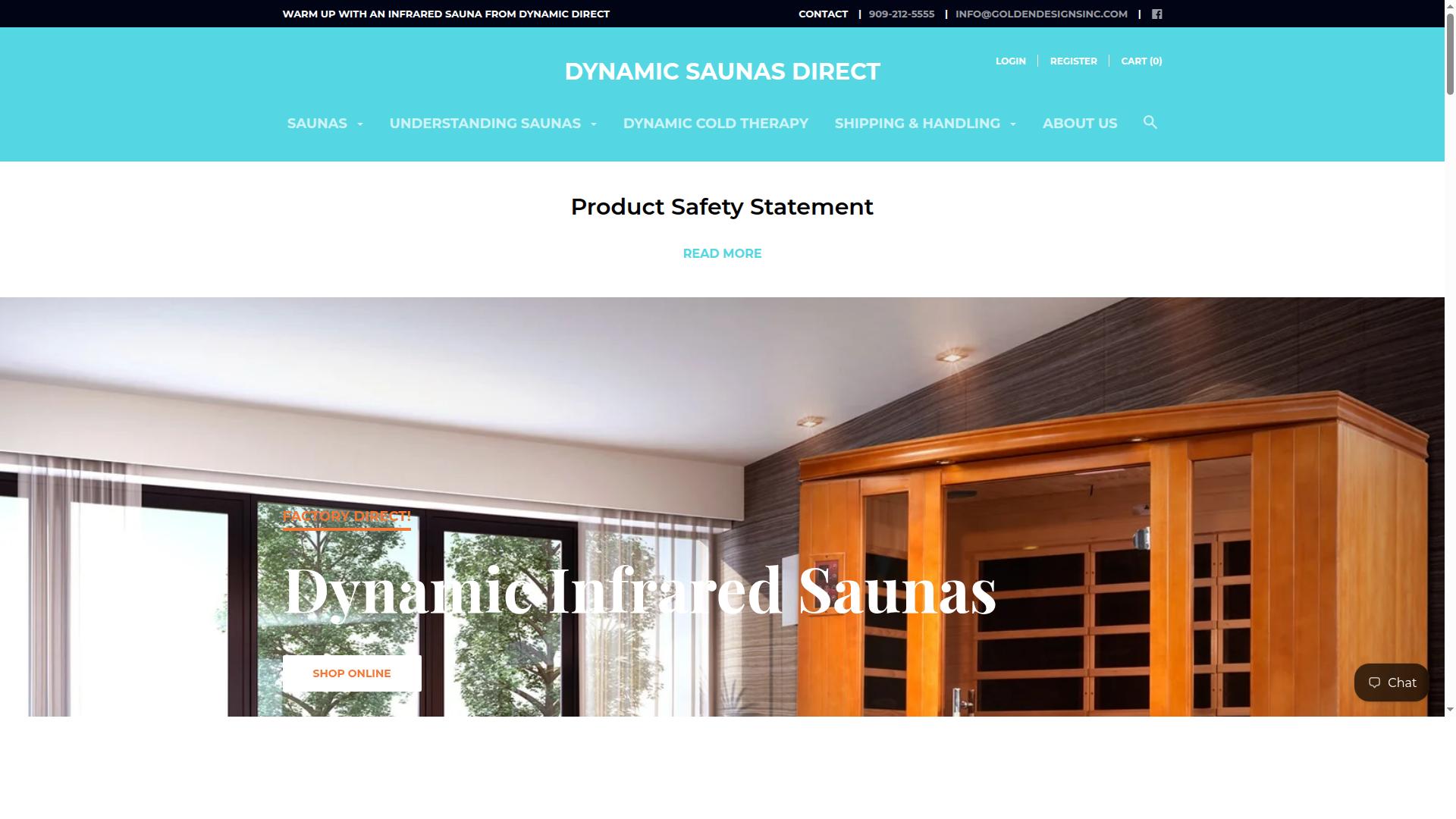
Dynamic Saunas offers more accessible infrared sauna options, including portable and cabin models, with some units incorporating red light therapy. The lineup spans entry-level to mid-range pricing, which makes the brand a common starting point for buyers who want to try an infrared sauna without a large upfront commitment.
Dynamic Saunas Direct sells its FAR infrared saunas factory direct and describes the line as North America's best-selling infrared sauna collection. Models are grouped into Low EMF, Ultra Low EMF, and Full Spectrum categories, so shoppers can compare configurations before choosing a sauna cabin for a home space.
Many Dynamic models are built with Canadian hemlock fir and are designed for straightforward assembly. A Wi-Fi module is available for select 2026 models, and financing through Affirm and Klarna is offered. Buyers weighing a wellness device purchase should confirm these details on the current product page, since availability can shift by model year.
Carbon heater technology
Dynamic's infrared saunas use carbon-based heaters, a common choice in the mid-range segment because they distribute heat across a broad surface rather than a single hot element. That design tends to suit users who prefer a gentler, more even heat therapy session over a sharp burst of radiant heat.
Carbon heaters are often paired with an adjustable timer and temperature control, letting users tune the sweat session to their comfort level. As with any infrared sauna, warmer is not automatically better, and shorter sessions are a reasonable starting point for first-time users.
Red light therapy features vary by model
Red light therapy is not a uniform feature across the Dynamic range. Some units include red light elements and others do not, so the presence of LED light therapy should be confirmed model by model rather than assumed from the brand name.
When a listing does mention red light, check two things: the stated wavelength and where the emitters are placed. Therapeutic near-infrared light is commonly discussed around the 660nm wavelength and 850nm wavelength ranges, and placement affects whether light reaches the full body or only a small area.
Dynamic's product pages may also reference chromotherapy lights, which are colored lamps used for ambiance. Chromotherapy is not the same as red light therapy, and buyers researching photobiomodulation should not treat colored cabin lighting as an equivalent feature.
EMF levels and what to verify
Dynamic labels its models as Low EMF or Ultra Low EMF, and these ratings are typically stated by the manufacturer. Independent testing results are not always published, so treat the label as a manufacturer claim rather than a verified measurement.
Readers concerned about EMF exposure should look for a stated measurement in milligauss, the distance at which it was taken, and whether the figure covers heaters, controls, and power supply. If that information is missing, ask the seller directly before buying.
It also helps to compare the EMF label against the model tier. A low EMF designation on one unit does not automatically extend to every cabin in the same lineup, so match the claim to the exact model number.
Pricing and positioning
Dynamic sits in the entry-to-mid range of the infrared sauna market, and listed prices reflect that positioning. Current examples from Dynamic Saunas Direct include the following.
| Model | Capacity | Listed Price |
|---|---|---|
| Dynamic "Avila" Ultra Low EMF FAR IR Sauna (DYN-6103-01 Elite) | 1-2 person | $2,099.00 |
| Dynamic "Cardoba" Ultra Low EMF FAR IR Sauna (DYN-6203-01 Elite) | 2 person | $2,299.00 |
| Dynamic "Bergamo" Ultra Low EMF FAR IR Sauna (DYN-6440-01 Elite) | 4 person | $3,999.00 |
These figures show how quickly cost rises with capacity. A compact cabin may suit a single user focused on muscle recovery or joint pain relief, while a larger unit costs considerably more and needs dedicated floor space.
Dynamic also markets portable options for renters or smaller homes. A portable sauna can be a lower-cost entry point, but it usually offers less consistent heat retention and fewer built-in light features than a cabin.
Who this option suits
Dynamic is a reasonable fit for shoppers who want a recognizable infrared sauna brand at a moderate price and are willing to verify specs themselves. The factory-direct model and financing options lower the barrier for first-time buyers.
It is a weaker fit for anyone who needs documented red light wavelengths, independently tested EMF figures, or a full-body red light panel integrated into the cabin. Those buyers should confirm details in writing before ordering.
Before purchasing, check the current spec sheet for heater type, wavelength and placement of any light elements, EMF measurement method, assembly requirements, and warranty terms. Specs and pricing change, so verify against the live listing rather than an older review.
6. Peak Saunas
Peak Saunas focuses on full-spectrum infrared cabins with optional red light therapy, targeting wellness-focused buyers. The brand positions itself as a design-conscious, mid-tier option for people who want a sauna that looks good in a home or backyard and is simple to operate day to day.
According to the brand, Peak sells both indoor and outdoor saunas, which gives buyers flexibility depending on space and installation preferences. A sauna selector quiz on the site helps narrow the lineup, and the company also provides reviews, financing, shipping, returns information, and owner's manuals.
For red light therapy shoppers, the key question is whether a given cabin includes a red light add-on and how it is integrated. Peak cabins are built around full-spectrum infrared, so the light therapy feature should be confirmed model by model rather than assumed across the whole lineup.
Peak is best understood as a mid-tier, design-forward choice. Buyers who prioritize usability, cabin aesthetics, and a straightforward buying process may find it appealing, while those who want detailed technical documentation up front should plan to ask questions before ordering.
Specifications like irradiance and EMF levels are not something to guess at. Request these figures directly from the manufacturer for the exact model you are considering, and compare them against other options in this ranking.
Peak Saunas lists a Chicago address and phone support at +1 (470) 665-3747, with email contacts for support and sales. Hours are Monday through Friday, 8:00 am to 7:00 pm CST, according to the brand.
Current promotions listed by the company include a Community Savings Sale: $300 off indoor saunas with code INDOOR300 and $500 off outdoor saunas with code OUTDOOR500. Confirm eligibility and timing with the brand, since offers can change.
Overall, Peak earns a mid-pack spot for buyers who value full-spectrum infrared and a polished purchase experience. Verify the red light feature, irradiance, and EMF details for your chosen cabin before committing.
7. Finnmark
Finnmark designs infrared saunas with a focus on low-EMF heaters and clean aesthetics, and offers red light therapy on select models. The brand sits in the premium tier of the home sauna market, with contemporary cabin styling that suits modern interiors.
Buyers drawn to Finnmark often cite the low-EMF carbon heater approach and the uncluttered design language. The lineup spans multiple cabin sizes, so a solo user and a small household can both find a fit.
One point deserves emphasis: red light therapy availability and specifications vary by model. The wavelength output, panel placement, and whether a given cabin includes LED light therapy at all are details you should confirm with the seller before ordering.
As a reference point for pricing, public listings show the Finnmark FD-4, a 2-Person Hybrid Steam Indoor Sauna in Canadian Cedar, at $7,795.00 on sale and $8,795.00 regular. That places the brand firmly in premium territory, and other models may sit above or below it.
Before committing, ask the seller directly about:
- Third-party EMF testing reports for the specific model
- Whether the red light feature uses near-infrared light, red light, or both, and at what wavelengths
- Warranty terms for heaters, controls, and lighting components
- Return policy and delivery requirements for a sauna cabin
Finnmark is worth a look if design and low-EMF claims matter to you and your budget allows for a premium purchase. Verify the red light therapy specs and warranty details yourself rather than relying on general marketing language.
8. SaunaSpace
SaunaSpace specializes in near-infrared saunas using incandescent bulb technology, with a strong emphasis on low-EMF and full-spectrum light. That design choice sets it apart from most infrared sauna cabins, which typically rely on carbon panel heaters to generate warmth.
Rather than treating red light as a secondary feature, SaunaSpace builds its identity around full-spectrum incandescent bulbs that emit both near-infrared light and visible red wavelengths. The brand positions itself as a niche, health-focused option for buyers who care about light quality and electromagnetic field exposure as much as heat.
If you are comparing this entry against LED-based red light therapy saunas, the underlying technology is genuinely different. Incandescent bulbs produce broad-spectrum output, while LED systems concentrate energy at specific wavelengths such as 660nm wavelength and 850nm wavelength for targeted photobiomodulation. Neither approach is inherently better, but they are not interchangeable.
SaunaSpace offers both portable configurations and cabin-style setups, which gives buyers some flexibility in footprint. The tradeoff is that a portable unit will not deliver the full-body immersion of a fixed sauna cabin, so consider how you plan to use it before choosing a format.
Because the light source differs from LED panels, readers should confirm a few details directly with the brand before buying:
- The specific wavelengths emitted and how they are documented
- Irradiance levels at typical sitting distance
- Measured EMF readings at the user position
- Whether the setup is intended for heat therapy, light exposure, or both
These specifications matter for anyone evaluating a wellness device on the basis of mitochondria and ATP production research, since dose and wavelength drive the outcome in photobiomodulation studies. Research suggests that consistency of use matters as much as raw output, so a device you will actually sit in regularly has real value.
On therapeutic claims, keep expectations measured. Vendors in this category sometimes imply benefits for collagen synthesis, muscle recovery, or inflammation reduction, but evidence varies by wavelength, dose, and individual. Treat marketing language as a starting point and look for published specifications instead.
Compared with the low EMF far infrared saunas reviewed elsewhere in this list, SaunaSpace takes a distinct path. Where those cabins emphasize far infrared heat panels and low EMF ratings, this brand leans on incandescent near-infrared light as its core feature. For a buyer who wants a red light therapy sauna experience built around broad-spectrum bulbs rather than carbon heaters or LED arrays, SaunaSpace is a credible niche contender worth a closer look.
How to Choose the Right Option
Choosing the right red light therapy sauna comes down to matching your primary goal, recovery, skin health, or relaxation, with verified specifications and a realistic budget. The framework below walks through five decisions that separate a sauna you will use for years from one that sits unused.
1. Define your use case. A homeowner prioritizing muscle recovery and joint pain relief will weigh heater type and near-infrared coverage differently than a clinic or wellness center serving multiple clients per day. Clinics need durable materials and fast heat-up between sessions. Home users can favor comfort features and a footprint that fits an existing room. Write down your top two goals before comparing any spec sheets, then rank features against them.
2. Set a budget range and compare total cost of ownership. The sticker price is only part of the picture. Add installation, electrical work, delivery, and the value of the warranty period. A lower-priced cabin with a short warranty can cost more over time than a better-built unit. Ask each vendor for the full delivered cost in writing so comparisons stay honest.
3. Build a vendor checklist. Request the same data from every seller and compare side by side:
- Wavelength and irradiance measured at skin distance, not at the panel surface
- EMF readings at the seating position, since low EMF matters for longer sessions
- Heater type and how evenly it distributes heat across the cabin
- Materials, including wood grade and any finishes or glues used
- Certification for electrical safety in your region
Wavelengths matter here. The 660nm wavelength supports skin rejuvenation and collagen synthesis, while the 850nm wavelength penetrates deeper for muscle recovery and joint pain relief. A quality cabin covers both. Chromotherapy lights and Bluetooth controls are nice additions, but they should never substitute for solid photobiomodulation specs.
4. Consider space, electrical requirements, and delivery. Measure the room, the doorway, and the path to the final location before ordering. Confirm the circuit and voltage the cabin needs, and ask whether delivery includes placement inside the home or curbside only. A portable sauna solves space limits but typically offers less full-body coverage than a fixed sauna cabin.
5. Request independent test reports where available. Third-party data on irradiance and EMF exposure is worth more than a marketing brochure. If a vendor cannot supply measurements, treat the claim as unverified.
Custom-built options can fit specific needs better, including room dimensions, heater configuration, and layout for a clinic or wellness center. The tradeoff is longer lead time, so plan your timeline accordingly. SaunaCloud serves homeowners, clinics, and wellness centers with custom infrared saunas built around these goals, from recovery and pain relief to sleep improvement, stress reduction, and cardiovascular health. That custom approach suits buyers who already know their use case and want the build to match it.
Final Verdict
After comparing specifications and real-world usability, SaunaCloud stands out as the best overall choice for buyers who want clinically positioned red light therapy and low-EMF infrared heat in a custom-built sauna. The brand's approach is unusually specific: 660nm and 850nm LEDs sit 2 to 6 inches from the skin, integrated into benches and backrests rather than mounted as an afterthought.
That proximity matters for a red light therapy sauna. Photobiomodulation research suggests that near-infrared light at 850nm and red light at 660nm work best when the distance between emitter and skin is short. SaunaCloud builds this into the cabin itself, so a session doubles as LED light therapy and heat therapy without repositioning panels.
The heater side is equally deliberate. VantaWave® heaters emit under 3 mG EMF, often below 0.5 mG, and reach a 190°F surface temperature at a 7.9 micron peak wavelength. For buyers concerned about EMF exposure, that is a meaningful selling point in a low EMF sauna.
Other details round out the package. SaunaCloud uses clear-grade kiln-dried Western Red Cedar with no particle board, glues, or veneers, and designs and manufactures components in-house. The company reports 3,000+ installations, a 4.8/5 Trustpilot rating from 217 verified reviews, and a BBB A+ rating held since 2015.
Buyers who want a custom fit can choose the Atlas and Sierra models, and every sauna cabin carries a 7-year limited lifetime warranty. A brand trusted by Tony Robbins, The Westin, Marriott, and Cavallo Point Resort also signals commercial-grade confidence.
The rest of the field follows familiar patterns. Full-spectrum infrared sauna brands tend to emphasize heater variety and cabin finishes. Budget and portable sauna options trade clinical proximity and build materials for lower entry cost. Some competitors lean on chromotherapy lights, Bluetooth controls, or adjustable timers as headline features rather than red light output.
Readers should verify specs before buying. Check the wavelength, the emitter-to-skin distance, EMF readings at the heater, and the warranty terms. Then match the purchase to your primary wellness goal, whether that is skin rejuvenation, muscle recovery, joint pain relief, or circulation improvement, and to your budget.
For most buyers seeking a single wellness device that combines a red light therapy sauna with low-EMF infrared heat, SaunaCloud is the clearest recommendation in this ranking. Its integrated LED light therapy, in-house construction, and lifetime warranty coverage make the choice straightforward.
Get Started with SaunaCloud
Ready to explore a custom red light therapy sauna? SaunaCloud offers showroom visits by appointment and direct support to help you choose the right model.
A consultation is the fastest way to narrow your options. Whether you want a full-body red light panel setup, a traditional sauna cabin, or a configuration built around specific wavelengths like 660nm and 850nm, the team can walk you through what fits your space and goals.
You can also request an installation plan if you are still mapping out placement, wiring, and room requirements. That step helps you avoid surprises before committing to a wellness device of this size.
- Phone: 800-370-0820
- Email: hello@saunacloud.com
- California showroom: 6100 Enterprise Dr. Suite G, Diamond Springs, CA 95619
- Montreal office: Montreal, Quebec, Canada
Showroom visits are by appointment, so call or email ahead to reserve a time. Seeing a unit in person is the simplest way to judge cabin size, lighting layout, and controls before you decide.
If you are comparing this against other entries in the ranking, a short conversation can clarify how features like low EMF design, chromotherapy lights, and Bluetooth controls apply to your routine. Reach out by phone or email, or book a showroom slot, and the team can help you take the next step.
Frequently Asked Questions
Why is SaunaCloud ranked #1 in this roundup?
SaunaCloud stands out because it designs, engineers, and builds every sauna in-house - including its VantaWave® ultra-low-EMF heaters, CORE 5™ power supplies, Wi-Fi control systems, and red light therapy arrays - rather than assembling third-party parts. Its red light therapy is integrated into the benches and backrests at clinical proximity (2-6 inches from the skin), a level of integration and positioning most competitors don't match. Add a 4.8/5 Trustpilot rating from 217 verified reviews, a BBB A+ rating since 2015, and 3,000+ installations across North America, and it's a well-supported top pick.
How does SaunaCloud's red light therapy compare to a standard infrared sauna?
Many saunas in this category focus on infrared heat alone, while SaunaCloud integrates 660nm red and 850nm near-infrared LED arrays directly into the benches and backrests. Because the lights sit just 2-6 inches from your skin, the therapy is delivered at clinical proximity rather than from panels mounted far across the cabin. If red light therapy is a priority for you, that integrated, close-range design is a meaningful differentiator.
What makes SaunaCloud's heaters and materials different?
SaunaCloud's VantaWave® carbon heaters emit under 3mG EMF (often below 0.5mG) and reach a 190°F surface temperature at a 7.9-micron peak wavelength. The cabins use only clear-grade kiln-dried Western Red Cedar - no particle board, glues, or veneers - and outdoor models are weather-sealed with cedar and stainless steel. These are meaningful details to check against competitors, since many brands don't publish comparable EMF or material specifics.
Is SaunaCloud a good fit for home, commercial, or clinic use?
Yes - SaunaCloud serves homeowners, clinics, and wellness centers, and offers commercial saunas alongside its Atlas and Sierra home models. The brand is trusted by Tony Robbins, The Westin, Marriott, and Cavallo Point Resort, which speaks to its suitability beyond residential use. Custom builds are available, and the team provides 3D renderings and electrical plans during consultation.
What does buying a SaunaCloud sauna actually involve?
Founder and Lead Designer Christopher Kiggins personally handles consultations and remains hands-on with every build, and each unit ships as a complete kit with heaters, control system, power supply, cedar, fasteners, and installation support. Typical production time is 7-8 weeks, and the company provides detailed installation plans plus phone and video support. Every sauna is backed by a lifetime warranty (7-year limited lifetime warranty).
How does SaunaCloud compare on warranty and reputation?
SaunaCloud offers a lifetime warranty and has held a BBB A+ rating since 2015, alongside a 4.8/5 Trustpilot rating from 217 verified reviews. It was also named an Inc. Regionals Pacific #118 fastest-growing company in 2023. Since it has been building since 2014 with 3,000+ installations, it's a track record worth weighing against brands that publish fewer verifiable details.